The Importance of children leading the way
- Growing Places

- Sep 11, 2025
- 3 min read
Updated: Sep 15, 2025
A reflection to invite educators to breathe, to trust in the process and let children lead the way.
Written by Jo Cone

As an artist in residence my brain whirls quickly towards a creative idea. I visit the woodlands and see a family of imagined people. We start receiving letters from the now named ‘tree keepers’ and return writing letters and creating our own community in response. We are sent photos of houses, clothes and scenes and in return we play, create and make. We pass back and forth communication to these imagined souls.
All this has happened in within my mind, 5 minutes of entering a new space of the woodlands at Morelands nursery. The sound of a metal gate opening brings me back to the sun on my back and the sound of children's voices.
It was my first visit to Morelands, Growing Places as Artist In residence. I arrived with the aim to deliver a project for the pre-schoolers which explored their woodlands. In those 5 minutes I had designed a project on the experiences of 24 years working in dance, movement, theatre and sensory play. My passion for early year work had jumped to creation.
But then I remembered...
As the trees breathed around me, I also took a long slow breath.
Sat on a log I started to notice the children's play. I noticed their bodies in the space, dancing through the pathways, leading each other to hiding spaces, sitting spaces and jumping places. Logs, leaves, soil and the sky welcomed them into a place of reality and make believe.
As the children ran off in different directions I slowed down, the ‘family’ I had created in those 5 minutes floated away and instead I started to realise that it wasn’t about my journey through these wondering woods, but instead the it was the children's journey. The children would lead the way.




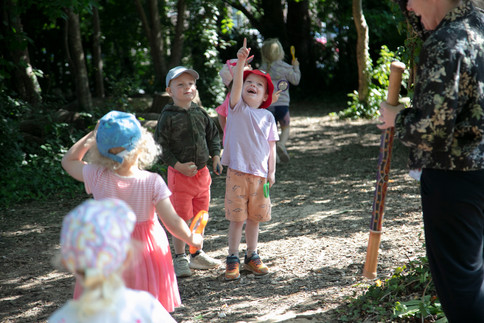




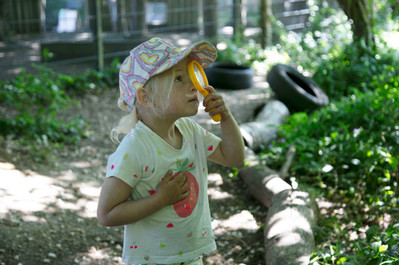


As I watched them continue to play, they showed me their woodlands was a place of sights, sounds and textures which were real within their gaze but also that it had the potential to ‘become’.
My role would not be a leader but instead I would bring invitations, questions and resources to the children which could expand their horizon in this space. I would balance the importance of allowing the woods to be heard and felt, lean into my experience to offer and support when needed and the children would lead which way it would go. This is what we did... over the eight weeks the children led the way, and I and Jade (another educator) observed.
As a result of this leadership it felt like there were multitude of pathways through the woods.
Instead of a central path that I could have constructed, dominating ideas, many smaller ideas came from the children. Children connected to the site. To what was real. The fallen tree was there. As I offered materials to the group, one group of girls chose this fallen tree. Their exploration of the materials released a story from the tree which I would not have dreamed of. They led the way. I offered more materials as they asked for these and brought these back as their enthusiasm for this narrative bridged the weeks gap between sessions.



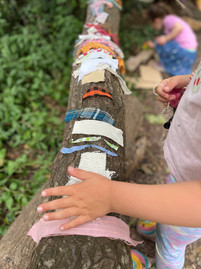

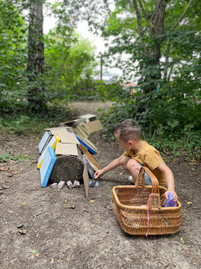


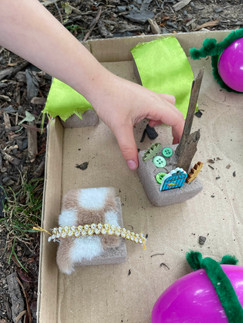


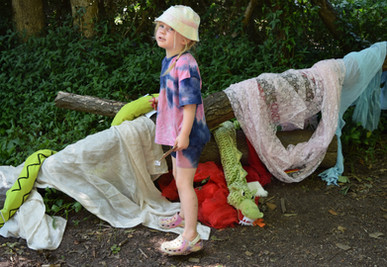


These smaller creations became as significant as larger ones which continued over a few weeks. There was no ‘end product’ but instead many moments of ‘endings’ which were felt as accomplishments, skills learnt, standalone characters or scenes created. Individuals created, groups formed and unformed, and new groupings formed, again led by the relationship between the children and the woods, supported by the adults but with children leading the way.
Now indoors, sat at my computer I write this reflection as an invitation for you to ask: How often as educators do we lead the way or allow the children to lead the way? How often do we ask deeply what can become of a space, or site? What is our journey of role alongside children as leaders? What more can be discovered when we brave not being the leader but instead supporting our children to ‘lead the way’?

Comments