Childhood SOS - The Decline of Play
- Growing Places

- Nov 3, 2023
- 4 min read
Updated: Sep 17
Growing Places have embarked on a campaign to highlight the sheer importance of play, not only for our children's development but for the health and stability of our society going forward.
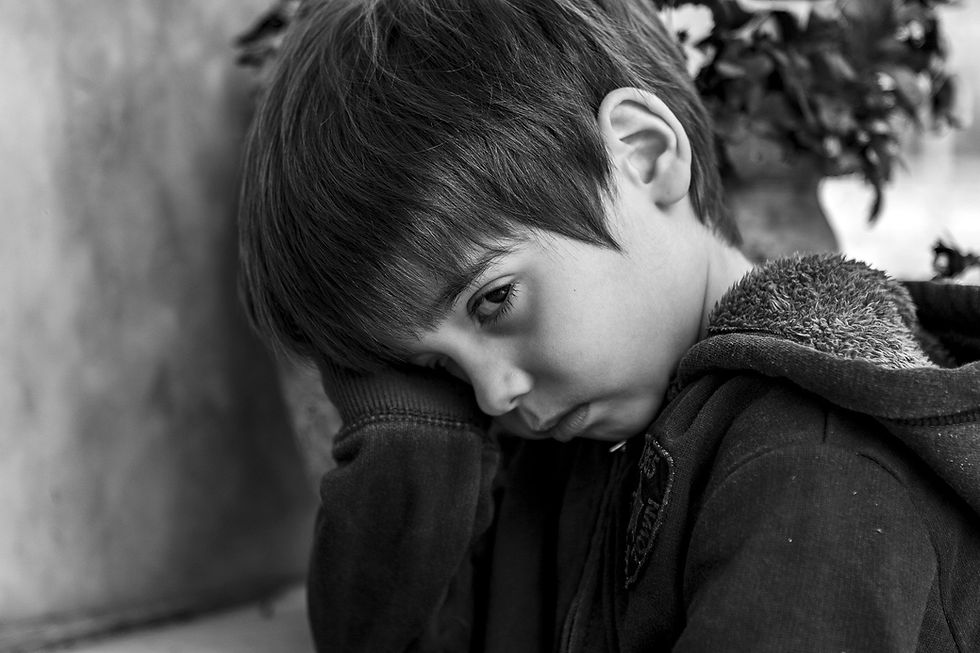
Lack of play and social interaction is impacting our children's health and development.
More connection but less interaction
Since the boom in social media the world we live in has changed drastically, where people are more digitally connected than ever before but this is having the reverse effect on our ‘real time’ social interaction. Studies have found that children’s free play with other children has declined 70% in one generation alone. It has also been discovered that as play has declined, social problems such as 'anxiety, depression, suicide, feelings of helplessness, and narcissism have increased sharply in children, adolescents, and young adults.'*
In a 2017 article in Time magazine, The Secret Power of Play, it has even been accepted that ‘Play is so important to the well-being of children that the United Nations recognises it as a fundamental human right, on par with the rights to shelter and education.’
Without exposure to proper play, children do not have the chance to stretch their imagination and build the skills they need for life. It is through play that children first learn how to make decisions, solve problems, exert self-control and follow rules.
Play is also vital in enabling children to notice other people’s feelings and control their own, resulting in greater empathy and a healthy attitude. In short, without proper play, our children risk becoming the least healthy adult population in living memory.




Children increasingly spend more time isolated indoors than outdoors playing.
Conversation is less, laughing is less
Post covid our children's interaction with others is at an all-time low, and Growing Places, like many other nurseries have become acutely aware of the damage it is causing our children.
Angela Mcgeady, manager of Little Acorns outdoor provision at Growing Places has noticed huge changes in children during her 30 years in the childcare industry;
“I see children who can swipe with their finger but they can’t turn the page of a book. Conversation is less, chatter is less, laughing is less. I just think it’s really sad that technology is introduced to children at such a young age when they need to be doing social and emotional things; making friends and just being allowed to play. They need time to make mistakes, get muddy, get wet and just not worry.”



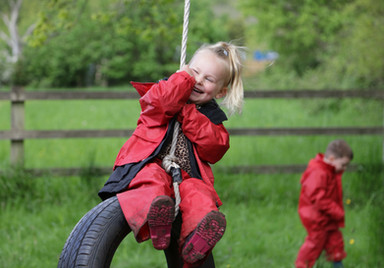


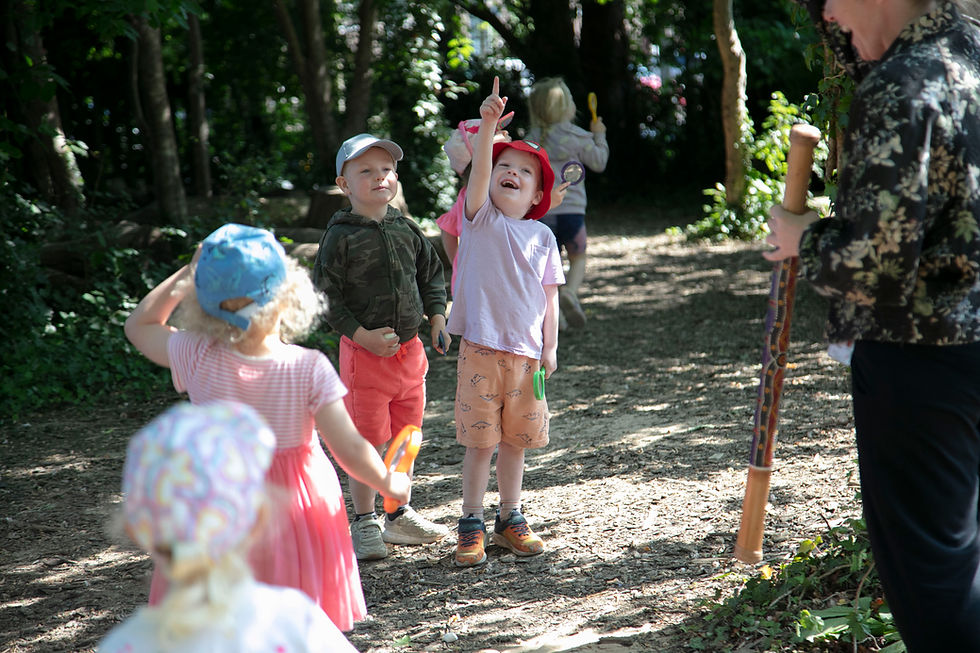
Children exploring and playing at Little Acorns
Lacking essential life skills
Numerous reports have also concluded that lack of play can have severe consequences.
One study found that there was a major link in perpetrators of serious crimes such as abuse and murder, and that was lack of play and social interaction as a child. Whilst this is a very extreme example, it highlights how children need social interaction with others to learn cause and effect, kindness and empathy. Without proper play children may not learn the importance of these very basic yet crucial life skills, just imagine a world without empathy and how terrifying that would be?
Paul Walmsley a former Liverpool criminal who turned to mentoring spoke of how criminals are getting younger;
“We are dealing with a more ruthless generation of criminals. They have less fear. That’s because they are younger. Fear comes with time. The only way to fight bullets is with jobs. We need to look at our failing education system where lots of these kids get missed. Far too many of them end up in the criminal justice system where they just meet other young criminals.”
In a bid to find out more about anti-social behaviour in our local area, Growing Places asked Habib Rahman, Chief Inspector of Havant and East Hampshire District, who concluded that 'boredom' was the most significant factor for youth related violence.
Many youth clubs are no longer in operation due to government cuts, leaving children at greater risk of finding that longed for sense of belonging in very dangerous and damaging places.
Without youth clubs children can't readily access all the benefits they offer, a safe space for play, sports and meaningful connections with others. Play brings people together and teaches greater tolerance and understanding towards those different from ourselves.
Childhood play must be cherished
Growing Places believe that the experience of childhood must be cherished, protected and facilitated by all. As adults we have this huge responsibility towards our children and future generations to help them through one of the coldest and hardest times in human history for childhood and play. Never before has there been so much to lose and we all have a part to play in its restoration. Little by little, day by day we can all make a huge difference, and all it takes is time, patience, engagement and most of all, kindness.
How will you help to save play today?
*Peter Gray, The Decline of Play and the Rise of Psychopathology in Children and Adolescents.




Comments